More resilient supply chains after the crises
Pandemic, war, and component shortages revealed the fragility of long supply chains. Here is what Portuguese companies are changing.
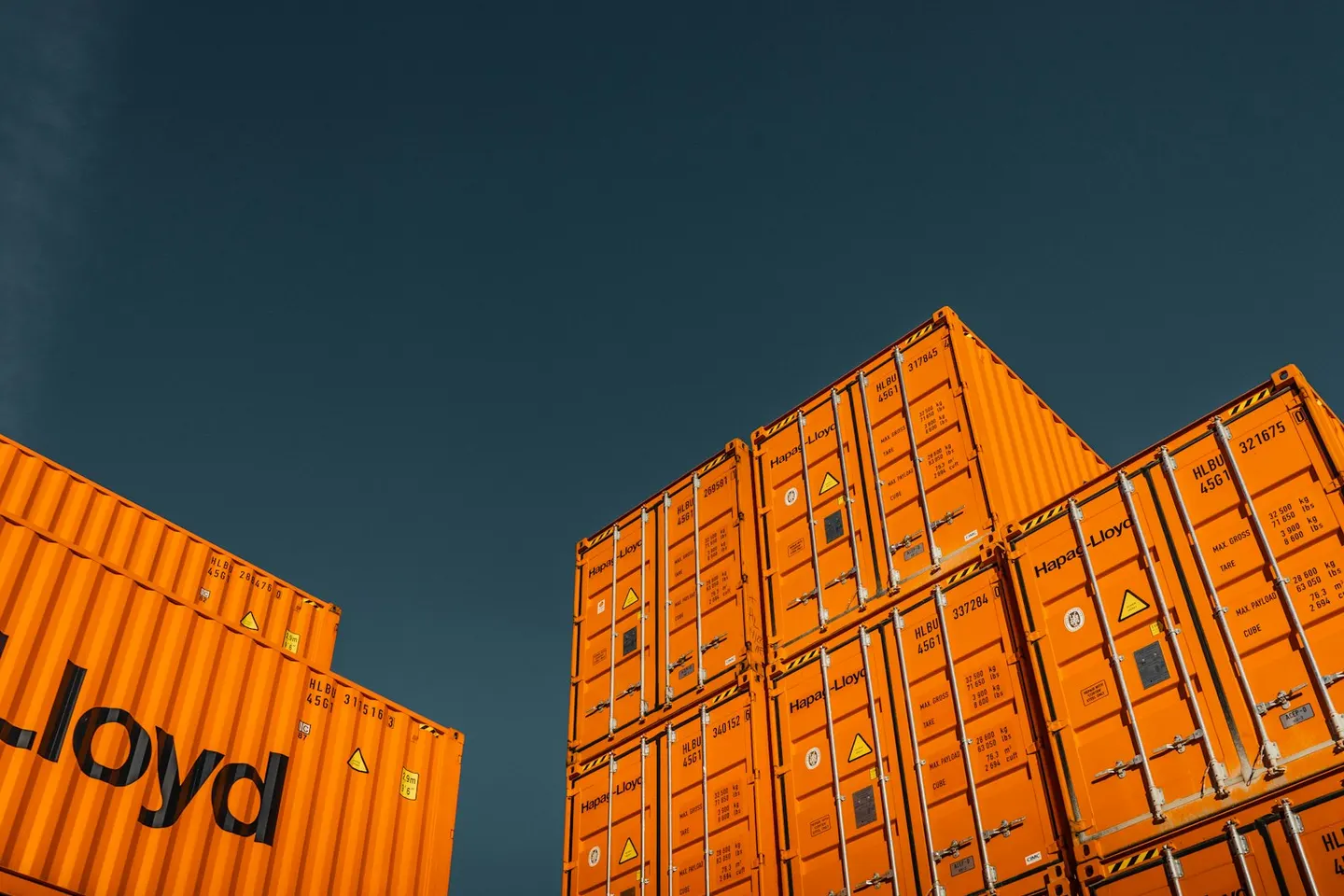
Pandemic, war, and component shortages revealed the fragility of long supply chains. Here is what Portuguese companies are changing.
Less dependence on a single supplier
The first lesson was about concentration. Companies with a single supplier for critical components were stalled for weeks. Today, the rule is to have at least two qualified sources for materials that could halt production.
Strategic stock, not excess stock
After the shortages, many companies increased all their stocks and tied up capital. The balance lies in segmentation: high safety stock for what is critical and difficult to replace, and fast replenishment for the rest.
Visibility
Finally, the most resilient companies share forecasts with suppliers and track orders in transit in real time. Information arrives sooner, and so do the decisions.
If this topic is relevant to your company, talk to us. An initial conversation helps determine where to start.
Continue reading

Why strategic plans fail in execution
Seven out of ten strategic plans never reach the finish line. The problem is rarely the idea: it's how strategy is transformed into everyone's daily work.
Read article →
Artificial intelligence in SMEs: where to start without wasting money
Artificial intelligence is already within reach for small and medium-sized enterprises. The risk is starting with the tool instead of starting with the problem.
Read article →
Lean in the office: the waste that nobody sees
Lean was born in factories, but it's in offices where the most time is lost today. Chain approvals, repeated emails, and reports that nobody reads.
Read article →